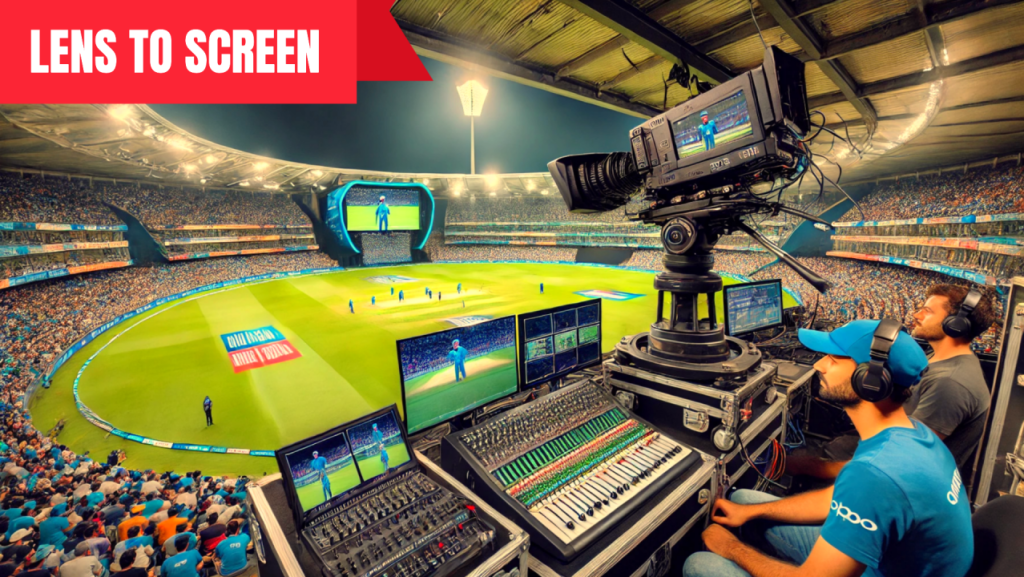
A calm live experience comes from treating the phone like a small runtime rather than a toy display. When updates resolve predictably, labels match what people say aloud, and closure lands on one view, attention can bounce between conversation and overs without losing context. The target is deterministic flow – stable rendering, a few dependable cues, and a wrap that reconciles instantly, so the next session starts lighter.
A Deterministic Surface for Real-Time Scores
A stable surface begins with legibility and placement that rarely shift. High-contrast dark mode preserves thin numerals under warm bulbs, while a steady mid-high brightness prevents PWM shimmer in quick screenshots. Keep strike rate, balls remaining, and wickets in hand inside one field of view to cut eye travel when alerts pop. Local time beside fixtures matters in mixed schedules. Quiet banners with precise copy beat tones in shared rooms, and relaxed auto-lock during innings prevents wake-taps that cause mis-clicks. With the baseline set, screens stop competing for attention and begin behaving like instruments that report state changes cleanly.
Coordination is easier when everyone uses the same map. Confirm where phase labels live, how reviews post, and where the recap appears, then anchor vocabulary to that layout. Open this website before the toss to lock names, icon positions, and cadence. Alignment turns each tap into continuation rather than search. For workplaces that jump between tools, that single reference prevents re-explaining icons mid-over and lowers the chance of duplicate links that flood threads at the worst time.
Parsing Signals Like a Lightweight Compiler
A phone view benefits from compiler habits: tokenize, parse, then act. Tokenize what matters into compact signals that survive noise – balls-per-boundary, dot-ball clusters, and required rate paired with wickets in hand. Parse them in windows that map to the sport’s phases. Early overs emphasize movement through the air, seam length, and ring fields that either suppress singles or leak them. The middle checks rotation quality against spin and whether clusters of dots accumulate across matchups. Final overs compress judgment into seconds, where yorker depth, slower-ball disguise, and boundary protection at long-on/long-off settle the chase more than raw strike rate. Acting on two or three tokens per window keeps decisions honest when the room gets loud.
Runtime Guardrails That Prevent UI Jank
Guardrails make the live view feel like a well-tested build rather than a demo. Treat the scoreboard as ground truth for state transitions, then require one corroborating cue before changing captions or notes – for example, wickets in hand alongside required rate, or balls-per-boundary aligned with current field spread. If clocks drift because of broadcast delay or congested Wi-Fi, wait a beat for reconciliation rather than spamming reactive updates. Debounce notifications to quiet badges that land on phase changes. Align scoreboard cadence with any TV in the room to avoid double-takes when replays arrive slightly late. These small rules act like assertions in code, catching edge cases before they pollute the thread.
Micro-Latency, Macro-Clarity
Short delays distort judgment right when boundaries cluster. A procedural fix outperforms a settings hunt. Pin the display zones that never move, prefer text labels over ambiguous icons, and keep the critical metrics near the score ledger. When desync appears, pause for a single beat, then publish once with the reconciled state. Logs remain clean, archives read correctly tomorrow, and the feed retains trust because it never argues with the UI.
A Minimal Checklist Engineers Actually Reuse
A single pass before first ball reduces friction for the entire night. Read it once, then let the plan disappear until a phase change or an innings break demands attention. The result is repeatability across devices and rooms without re-teaching steps.
- Screen hygiene set – dark mode, steady brightness, relaxed auto-lock for innings.
- Cues pinned near the score – balls-per-boundary, dot-ball rate, wickets in hand.
- One recap destination bookmarked to avoid menu hunts at the break.
- Quiet alerts for “over start,” “innings break,” and “result posted,” previews muted.
- Storage headroom confirmed for milestone captures and short clips without deletions.
Ship the Finish Without Leaving Loose Ends
Clean closure is a release step, not an afterthought. End on a posted checkpoint – innings break, target reached, or a timer chosen during setup. Submit a single request inside limits and save the reference line, then verify that recap, ledger, and balance tell the same story on one view. File one context capture that actually matters – the over that flipped pace, a partnership that throttled boundaries, or a field switch that cooled scoring – and archive it where next-day notes live.